Ship-to-shore gantry cranes are the tallest working machines at most container ports. They straddle the quay, reach out over the vessel, and lift boxes off and on around the clock. In this frame a line of them stands over container ships at a deepwater terminal.
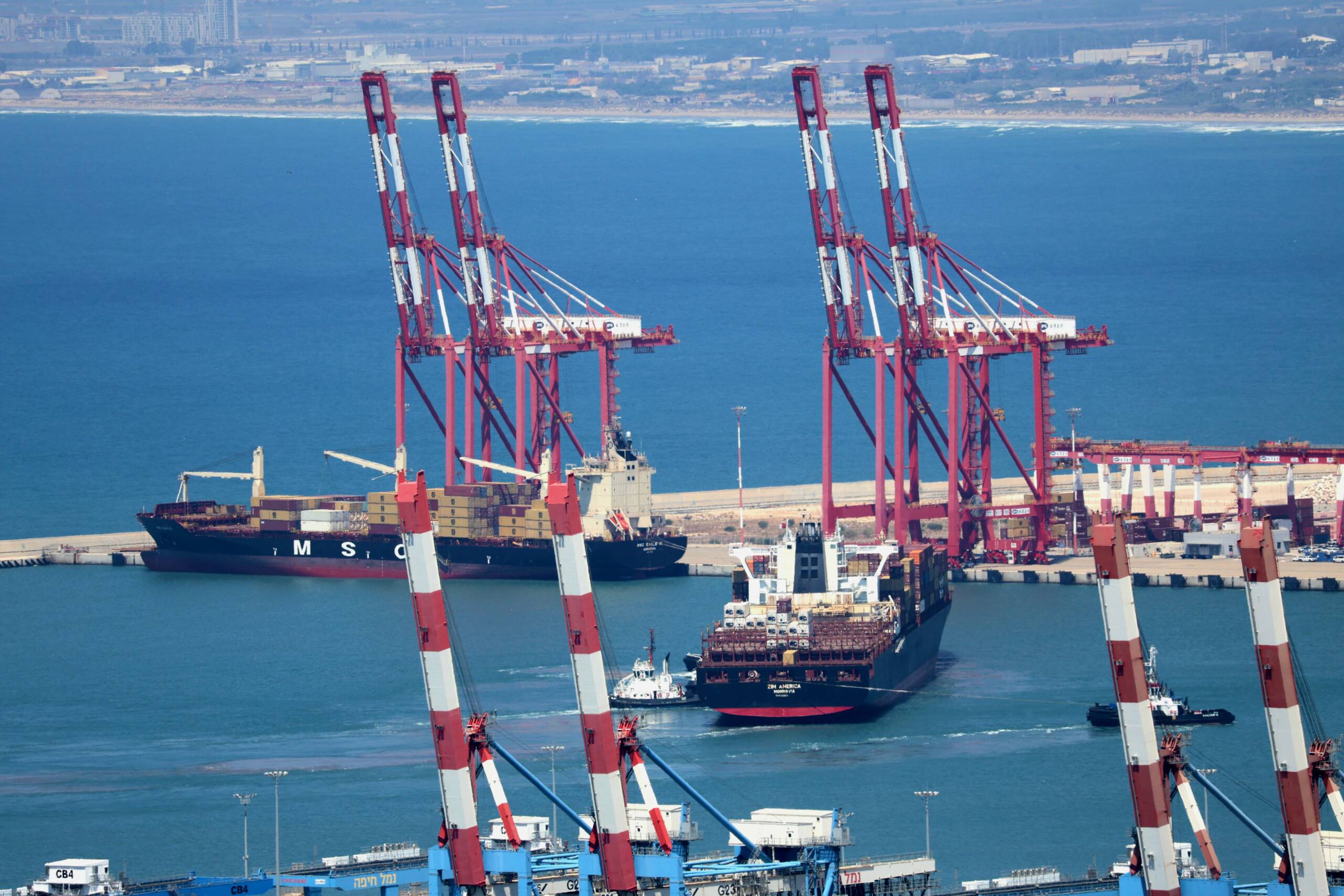
For decades hardly anyone outside shipping gave them a second look. That changed once US officials started asking who built them, and what else they might be able to do.
One Manufacturer, Most of the World’s Quays
A single Chinese state-owned company, ZPMC (Shanghai Zhenhua Heavy Industries), builds the large majority of the world’s big ship-to-shore cranes. Ports bought them for ordinary reasons. They were cheaper than the alternatives, they arrived on time and they worked.
A crane stays in service for decades, so a purchase made fifteen years ago is still standing on the quay today. Replacing one costs millions of dollars and takes years from order to commissioning. The equipment and the worry about it will be around together for a long time.
Modern cranes are also connected machines. They carry sensors, remote diagnostics and control software that can be reached from outside the terminal. In 2024 a US congressional investigation reported finding cellular modems on some Chinese-built cranes at American ports that the ports hadn’t asked for. Washington followed with tariffs on imported Chinese cranes, new cybersecurity requirements for crane operators, and a push to bring crane manufacturing back to the United States.
The concern is about access. No public evidence has shown a crane at a US port being used to spy on or disrupt anything. The worry is that the capability is installed and powered on whether anyone uses it or not.
Why Trade Data Misses This
Monthly export figures get read for what they say about demand and tariffs. They say nothing about the machinery the goods pass through, or about who could in principle see every box that moves. A terminal runs its operating system, gate logs and crane telemetry on the same kind of networked equipment. A crane that knows which container it’s lifting knows a good deal about a country’s trade.
None of that is visible in a picture like this. You see steel and water. It still looks like the least political place on the coast, which is roughly why it went unexamined for so long.